Grocery Outlet
Enterprise UX Transformation & Design System Governance
Backend UI/UX
Retail
Enterprise Systems
Design Systems
Data Visualization
Overview
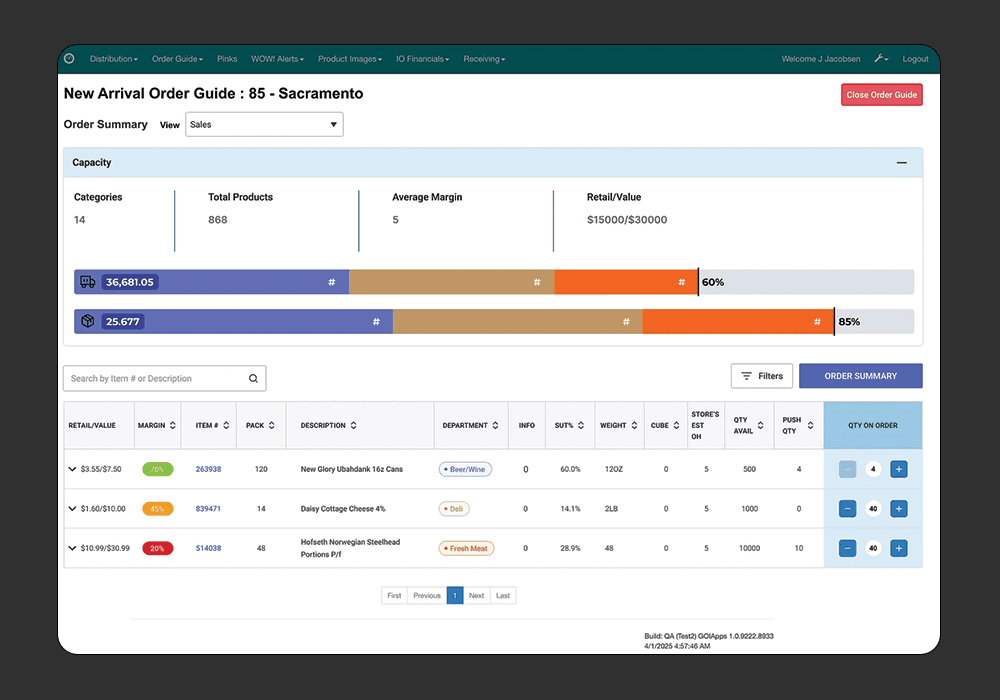
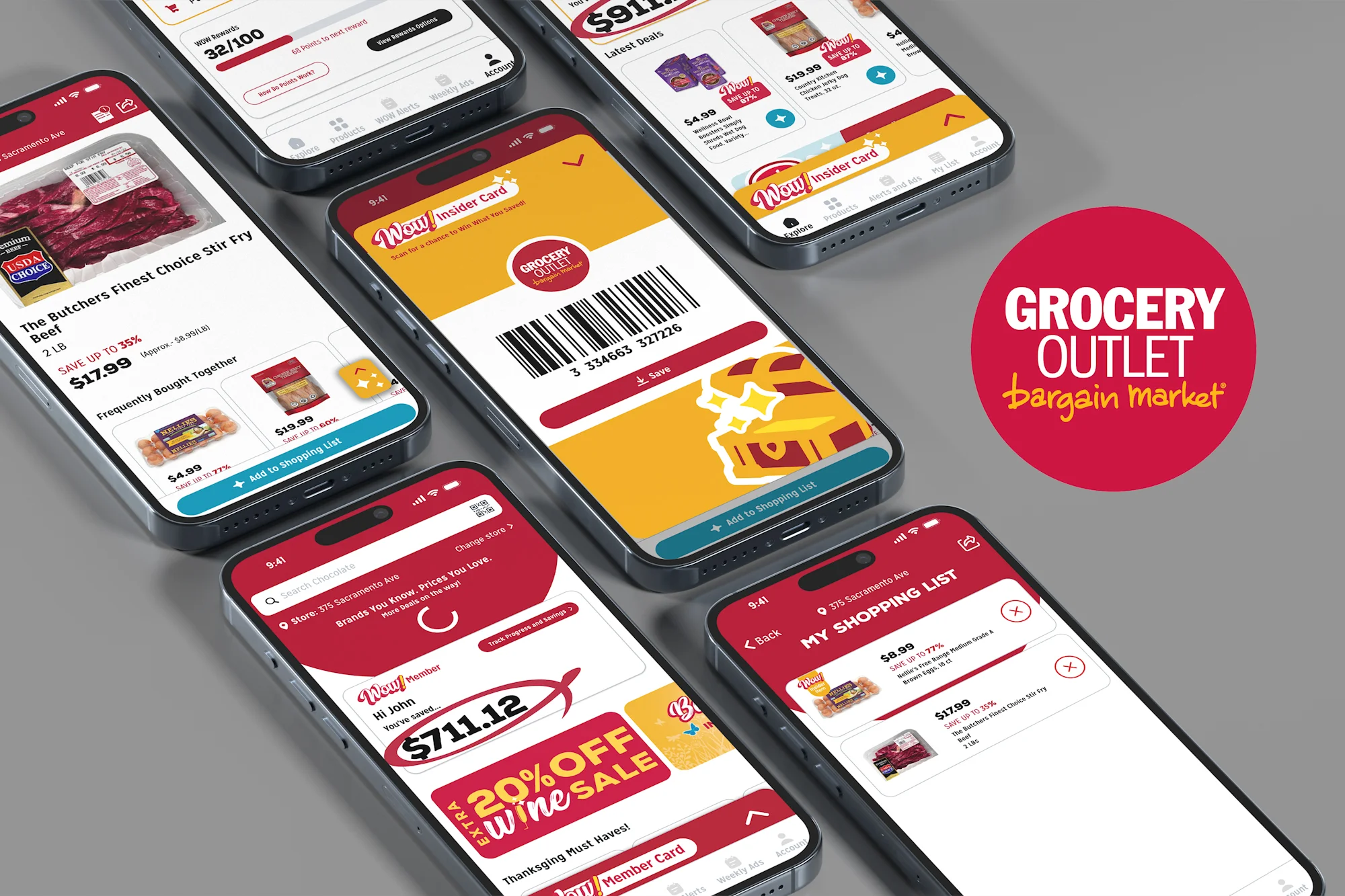
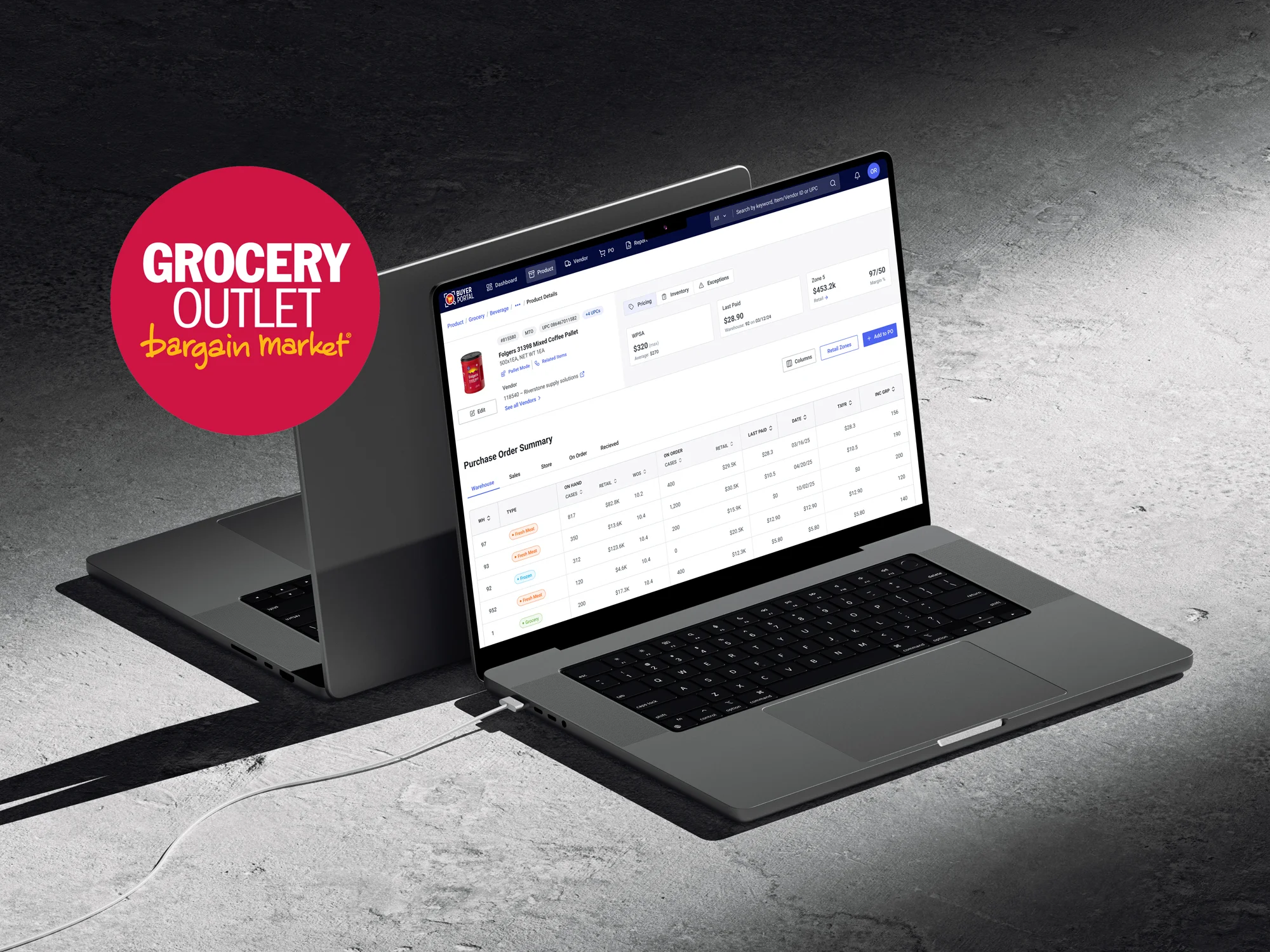
Grocery Outlet operates a national network of independently owned stores powered by multiple internal systems. When I joined, these digital tools were inconsistent, disconnected, and lacked a shared UX foundation. My charter was to modernize the end-to-end experience, create scalable design standards, and embed UX into the organization’s operating model.
Challenge
Years of team-specific development had resulted in fragmented experiences, competing design patterns, and accessibility gaps. Beyond aligning the visuals, we needed to create a repeatable UX framework – one that could scale across both internal and consumer platforms while remaining compliant and measurable.
Approach
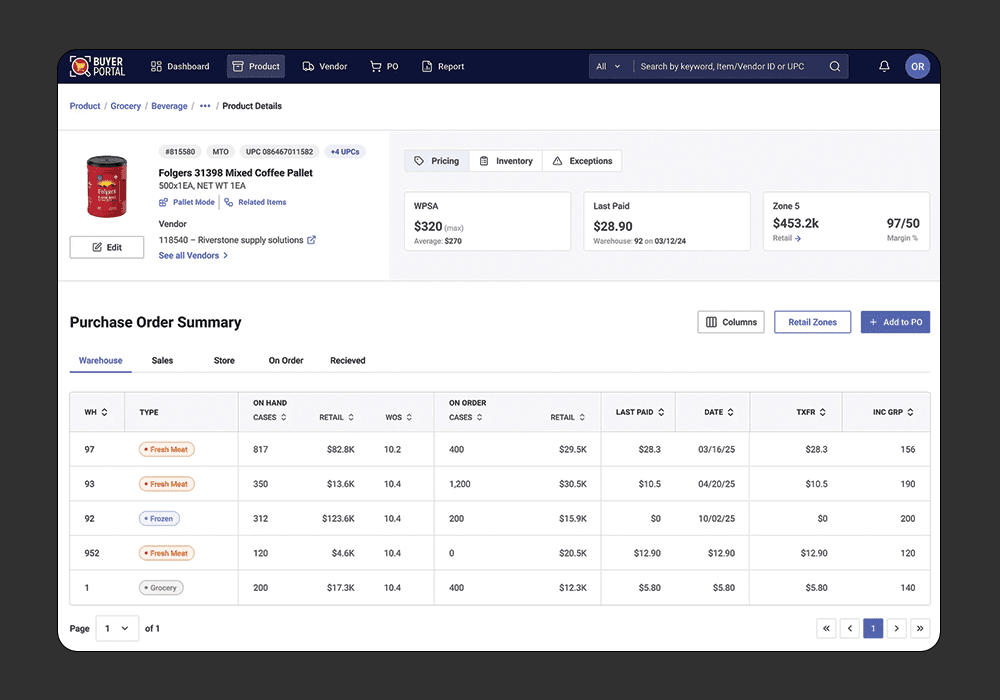
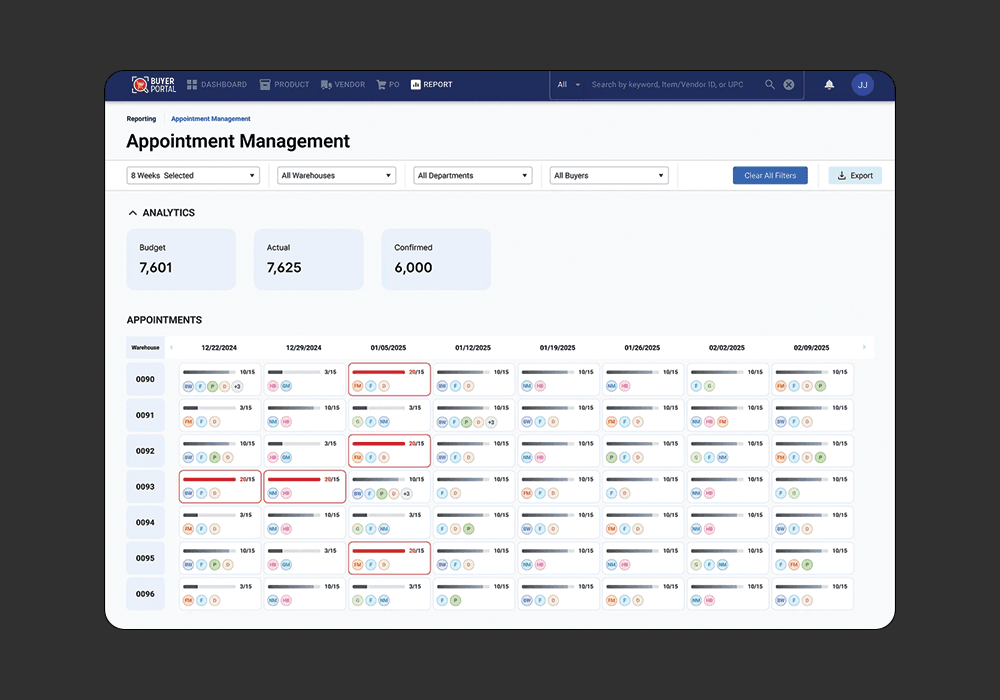
I established Grocery Outlet's UX operating model from the ground up, defining design principles, governance, and the company's first enterprise design system. Beyond UI consistency, I introduced UX Acceptance Testing (UXAT) as a release gate, giving product teams a repeatable process for validating usability and accessibility before deployment. I partnered with engineering, product, marketing, and business stakeholders to align priorities, standardize decision making, and position UX as a strategic function rather than a downstream service.
Design system documentation and governance were maintained in Zeroheight, connected directly to Figma. Zeroheight's AI capabilities kept documentation automatically updated as components changed, giving engineering and design a reliable, current source of truth without manual upkeep.
I also connected Claude directly to our design system via Figma MCP, letting product managers turn written requirements into working prototypes on their own, without waiting on a designer to build the first draft. This cut the time between an idea and something the team could actually react to, and freed up design time to focus on higher-leverage problems instead of routine prototyping.


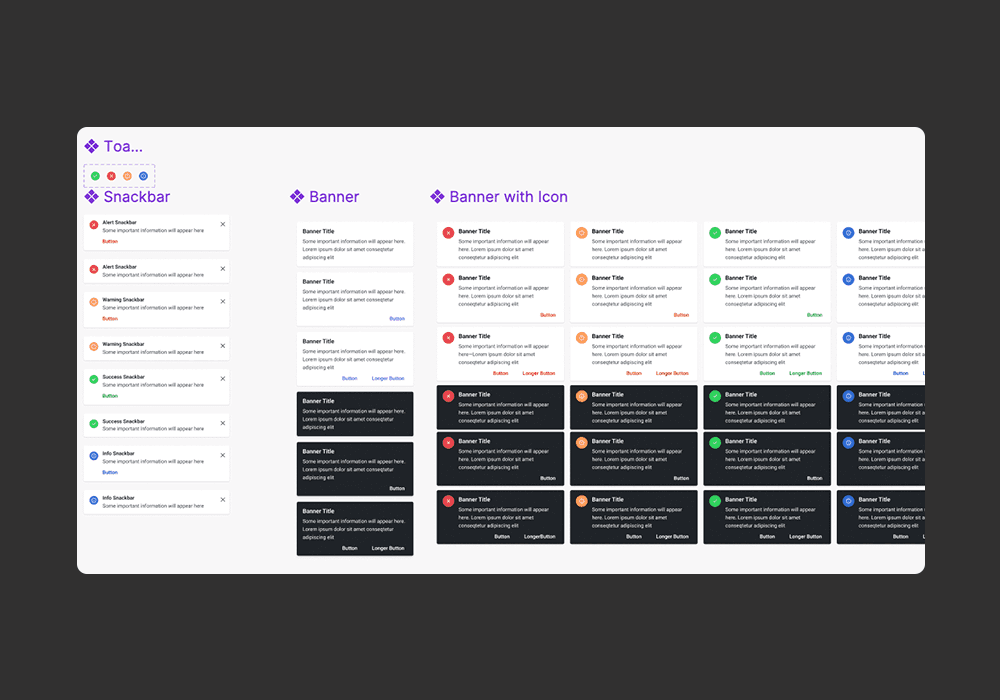

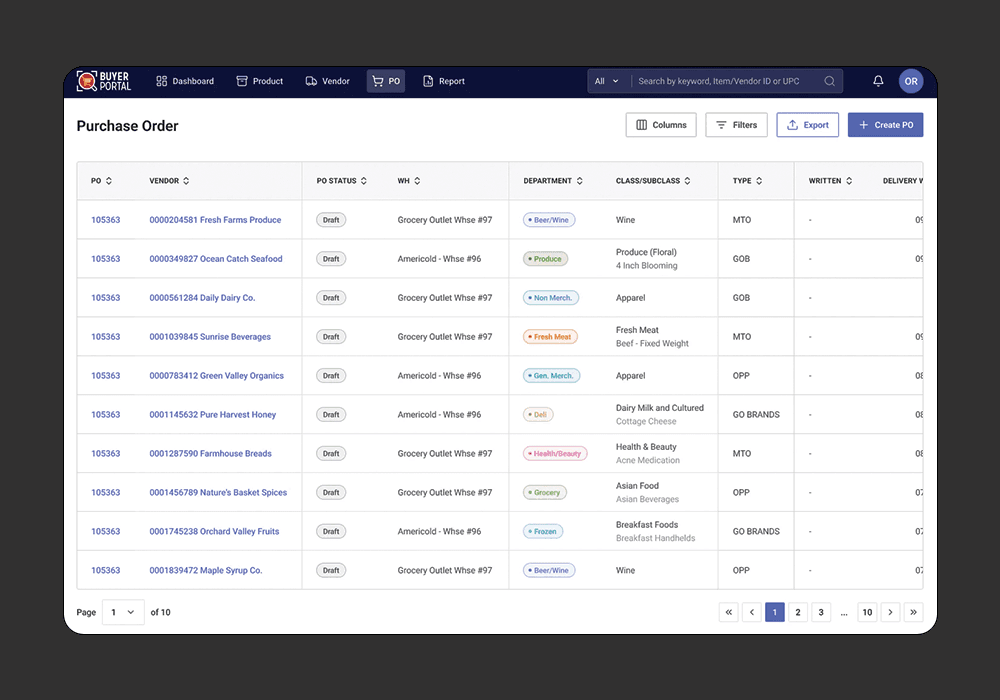
Standardized status indicators and metadata labels designed to communicate product, workflow, and operational states.